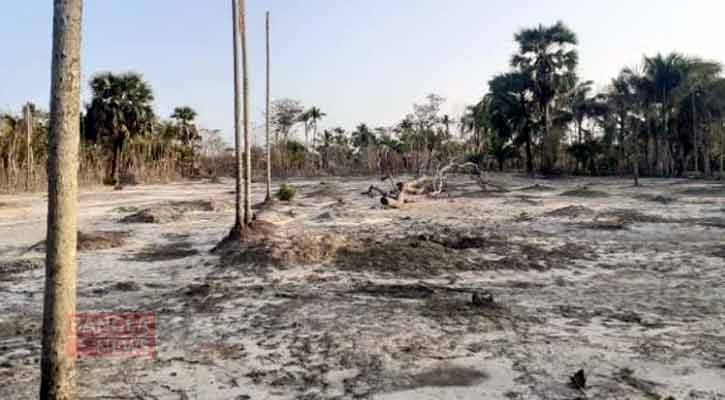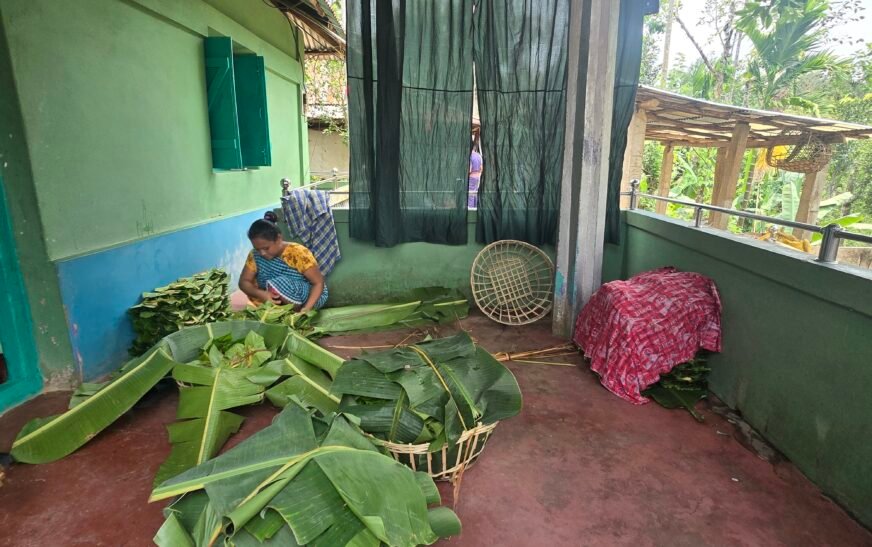

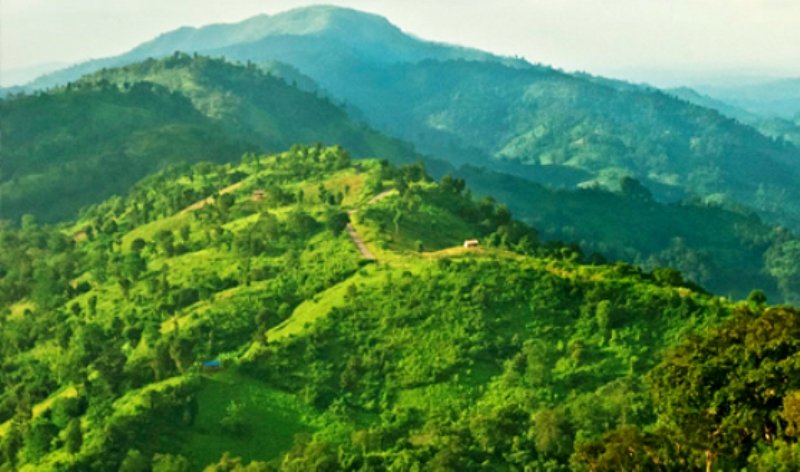
In the early morning, 45-year-old Geeta Munda walks barefoot toward the river, carrying her fishing net over her shoulder and a sturdy bamboo stick in one hand. She steps into the salty water — part of her everyday life. These scenes are common in Datinakhali village in Shyamnagar, a community in one of Bangladesh’s most climate-vulnerable coastal regions.
Geeta’s fight is not just against fish escaping her net, but against a daily battle with salinity a struggle that affects her health, livelihood, and future. With rising salt levels in water and land, women like her must stand for hours in brackish water, often up to their waists, to catch fish or collect grass. The salt-contaminated water is used not just for fishing but also for bathing and household chores.
The Cost of Saltwater Intrusion
Salinity has made freshwater scarce in many coastal villages. Women walk long distances sometimes several kilometers to find drinkable water. With limited safe water available, many people are forced to use salty water for daily needs, exposing their bodies to health risks.
Health professionals in these areas report a sharp rise in salinity-related illnesses from skin irritation and infections to more serious reproductive health complications. Doctors note that long-term contact with saltwater can cause urinary and reproductive issues among women who work or live in these conditions.
A Fight Beyond the Riverbanks
For these coastal women fishers, life involves more than catching fish. Their daily routine means balancing hard physical labor with deteriorating environmental conditions. Climate change, rising sea levels, and saline intrusion have reshaped their rivers, fields, and access to water.
What they fight for each day isn’t just a livelihood it’s survival itself in a landscape where clean water is disappearing and saltwater increasingly dictates the health and future of entire families.

Check latest article from this author !





![Sem risus dolor ac habitant rhoncus pede]()
![Fringilla etiam proin sollicitudin diam faucibus]()

Id taciti sagittis ligula eget vel mi dictum
September 29, 2015
Taciti rhoncus accumsan viverra luctus
September 29, 2015
Tristique turpis nam pede nulla egestas
September 29, 2015
Dictum hendrerit nonummy nisi consequat
September 29, 2015
Scelerisque Curabitur class tempor ornare
September 29, 2015
Sem risus dolor ac habitant rhoncus pede
September 29, 2015
Fringilla etiam proin sollicitudin diam faucibus
September 29, 2015
New Saudi-Bangladesh labour deal: More protections, jobs
January 31, 2026